

Operational Management
My approach to operational management is centered on clarity, efficiency, accountability, and continuous improvement. I believe the strongest systems support employees without making service feel impersonal. The goal is to create a reliable operational foundation that allows the professional staff to spend more time anticipating needs, building relationships, and delivering an exceptional member experience.
Operational Experience
Leading a successful golf operation requires balancing immediate service needs with long-term organizational priorities. On any given day, that may involve staffing decisions, member communication, tournament preparation, retail planning, technology, policy development, or coordination with other club departments.
My responsibilities include:
Leading daily golf operations and establishing staff priorities
Supervising, training, and developing professional and seasonal employees
Managing member events, championships, and registration processes
Directing retail purchasing, inventory, pricing, and merchandising
Developing policies, procedures, and service standards
Analyzing utilization, participation, sales, and revenue data
Preparing recommendations for club leadership and committees
Coordinating with food and beverage, grounds, accounting, communications, and other departments
Systems & Innovation
Evaluating and improving operational systems is an important part of leading an efficient, forward-thinking golf operation. I enjoy identifying outdated processes, researching solutions, building a business case, and guiding implementation from initial proposal through staff adoption.
Whoosh Implementation
At Blue Mound, the professional staff historically recorded player charges by hand and later entered them individually into the point-of-sale system. The process was time-consuming, created opportunities for error, and provided limited access to meaningful utilization data.
After researching potential solutions, I developed a detailed proposal and received Executive Committee approval to implement Whoosh as an internal scheduling, billing, and reporting platform.
This represented a significant operational change for a club deeply committed to its tradition of walk-on golf. Rather than forcing the club’s operation to conform to the technology, I configured the system to support the existing member experience. Members continued to enjoy the same walk-on culture while the professional staff gained a more efficient internal process.
The implementation:
Replaced handwritten billing and manual data entry
Improved charge accuracy and staff efficiency
Created reliable records of course activity and guest play
Strengthened reporting on restricted times and access patterns
Provided data to support scheduling, policy, and capacity decisions
Allowed employees to devote more attention to member service
The success of this project reinforced an important principle: innovation is most effective when it respects an organization’s identity while solving a meaningful operational problem.

Data-Informed Decision-Making
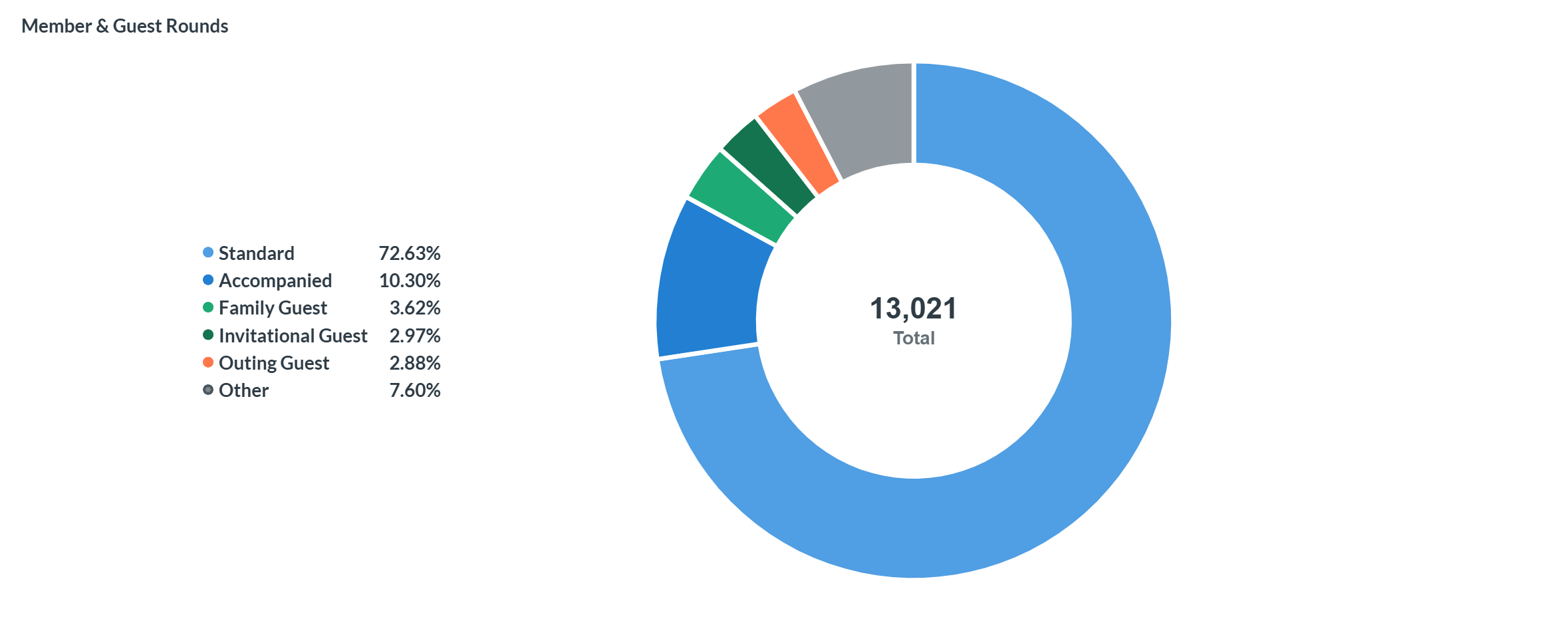
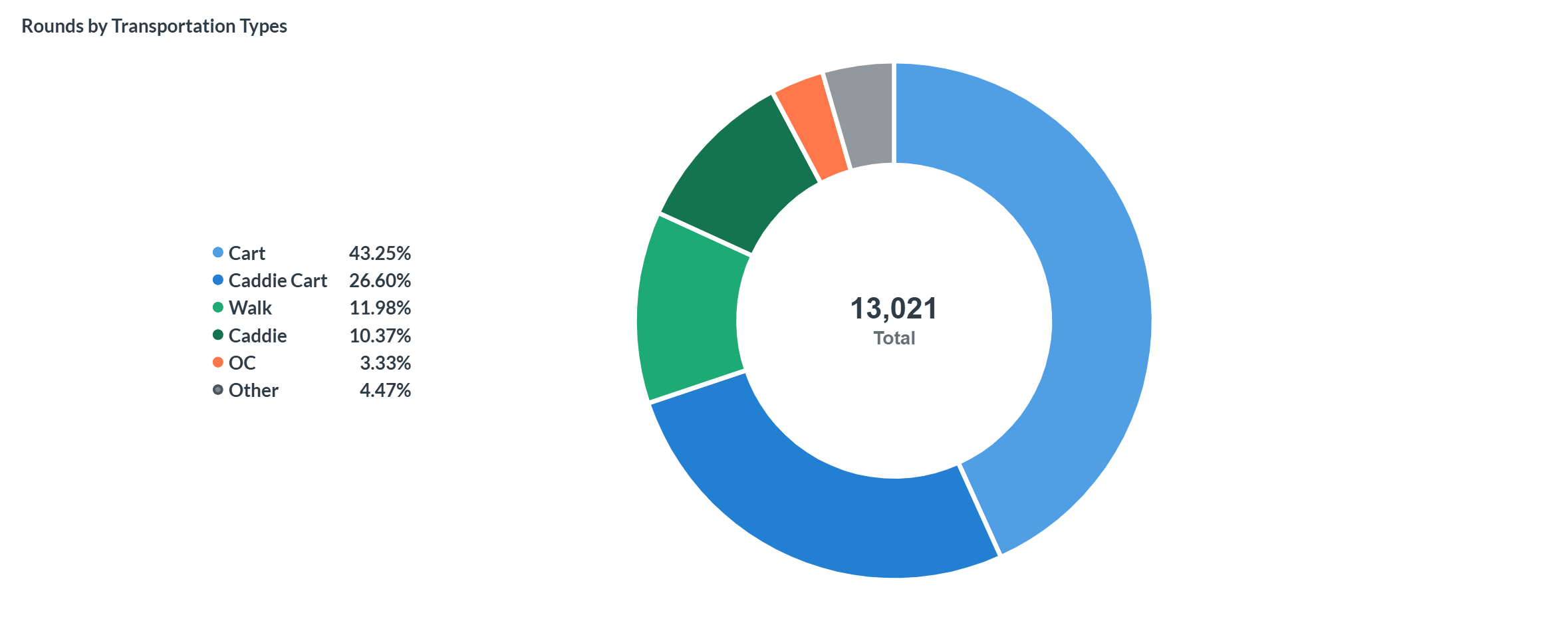
Good data provides context for decisions that might otherwise rely on assumptions or isolated feedback. I use Whoosh reporting, participation trends, revenue information, and member feedback to evaluate how the golf operation is performing and where adjustments may be needed.
This analysis supports decisions involving:
Course utilization and access
Event scheduling and tee-sheet capacity
Guest-play patterns and associated revenue
Registration demand and waitlists
Cart and caddie utilization
Program participation
Retail sales and inventory
Staffing and operational coverage
My goal is not to allow data to replace judgment. It is to combine data, operational experience, and member feedback to make more informed recommendations.

Financial Stewardship
Operational leadership requires understanding how service decisions affect the club financially. I regularly evaluate expenses, margins, revenue, participation, and resource allocation while looking for opportunities to improve value without compromising quality.
My financial responsibilities include:
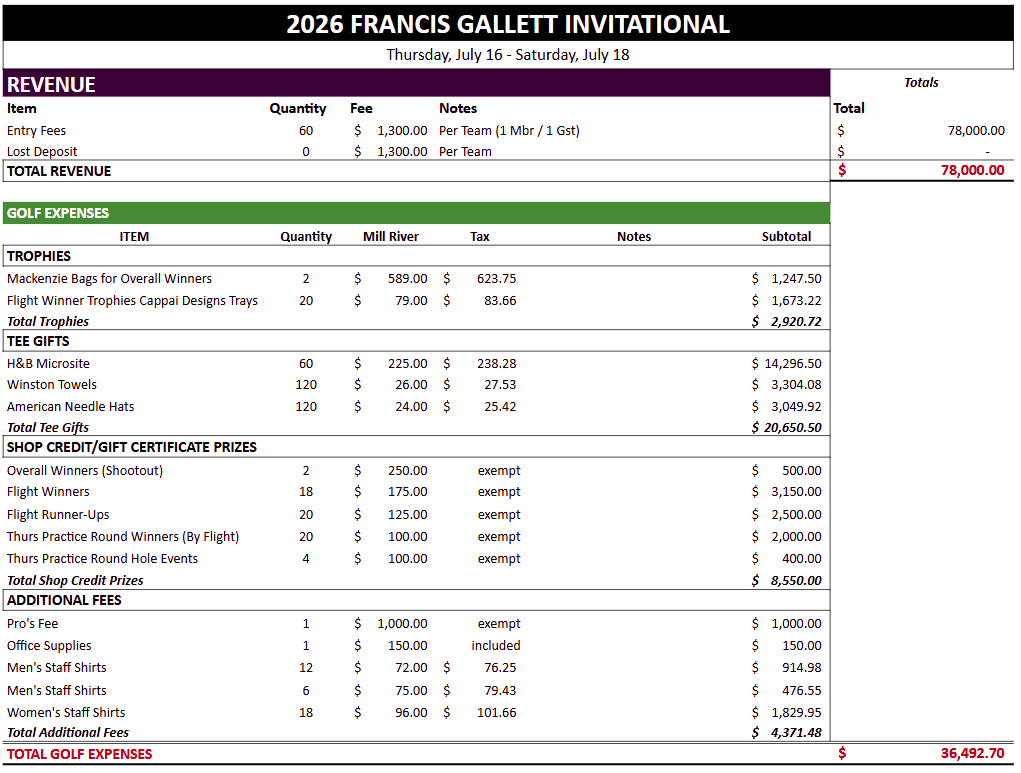
Preparing and monitoring event budgets
Reviewing entry fees, expenses, and prize allocations
Evaluating retail margins and pricing
Developing seasonal purchasing plans
Monitoring inventory levels and open-to-buy needs
Reviewing sales and revenue performance
Identifying process efficiencies and cost-saving opportunities
Providing data-informed recommendations to club leadership
I approach budgeting as both a financial and service responsibility. The objective is not simply to reduce cost; it is to use the club’s resources thoughtfully and ensure that spending supports the experience members value.
Policies & Procedures
Consistency becomes increasingly important as an operation grows and responsibilities are shared across multiple employees and departments. Clear policies and procedures help employees understand expectations, make confident decisions, and deliver a more reliable experience.
At Blue Mound, I have developed and refined:
Standard operating procedures
Opening and closing responsibilities
Staff communication systems
Member and guest service standards
Event-planning checklists
Registration and waitlist procedures
Guest-play and reciprocal guidelines
Employee golf procedures
Weather and emergency communication protocols
Seasonal training resources
These resources are designed to preserve institutional knowledge, clarify ownership, strengthen accountability, and support the long-term success of the operation.
Continuous Improvement
Operational excellence is not a finished product. Systems, policies, and programs should be reviewed as the needs of the membership, employees, and organization evolve.
I regularly ask:
Is this process still serving its intended purpose?
Is there a more efficient or accurate way to complete it?
Do employees understand both the procedure and the reason behind it?
What does the available data tell us?
How is the process affecting the member experience?
What should we document or adjust for the future?
By remaining curious, listening carefully, and evaluating both outcomes and experiences, I aim to build an operation that is efficient, adaptable, financially responsible, and consistently focused on service.